Most photographers heading to the Kenyan coast pack for beaches and dhow trips. Few pack a 500mm lens and a torch for a forest walk before dawn. That is exactly what an arabuko sokoke forest birdwatching safari asks of you, and it pays off in ways the Maasai Mara never will.
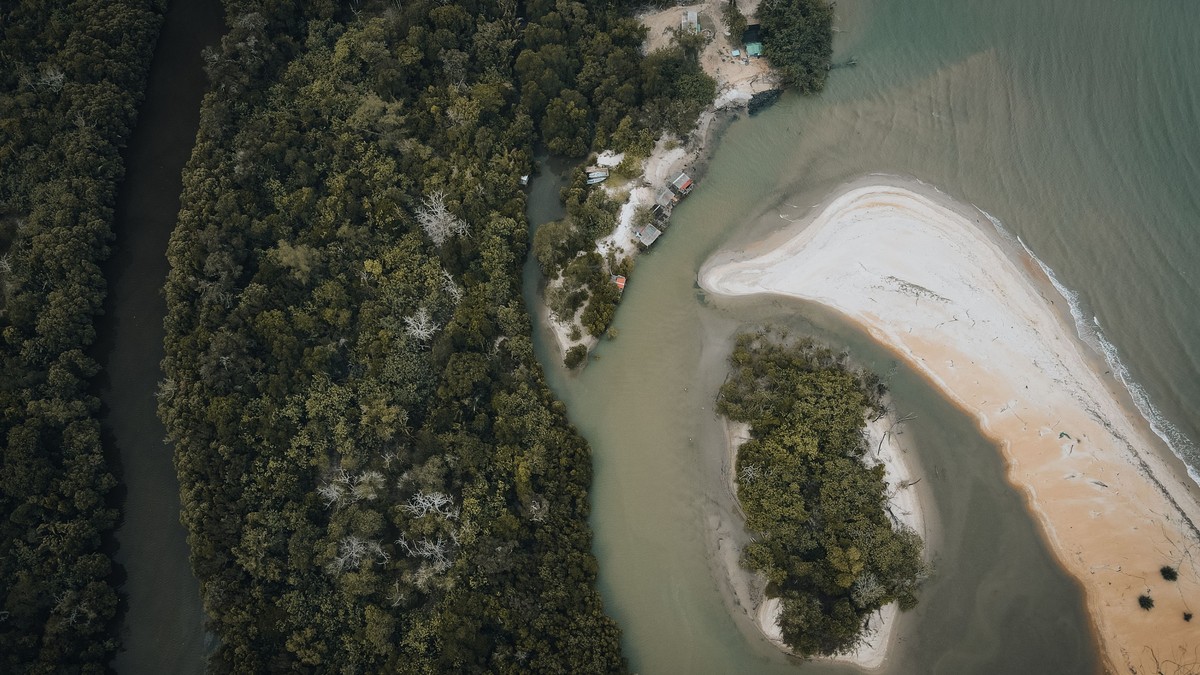
Arabuko Sokoke is the largest remaining stretch of indigenous coastal forest in East Africa, roughly 420 square kilometers of tangled brachystegia woodland and cynometra thicket between Malindi and Watamu. It does not look dramatic from the road. Inside, it holds a clutch of bird species found almost nowhere else on earth and a handful of mammals so rare that most Kenyan guides have never seen one.
Where It Sits and Why It Matters
The forest sits in Kilifi County, about 30 km south of Malindi and 20 km north of Watamu, hugging the coast without touching the beach. It survives as a fragment of the forest that once ran the length of the East African coastline. Today the Kenya Forest Service manages most of it, with a core Nature Reserve section jointly overseen with the Kenya Wildlife Service.
For a photographer, the draw is light and structure. The canopy filters harsh coastal sun into soft, even shade by 8 a.m., which is a gift if you shoot birds against dark understory. Bring a monopod. Handholding a long lens on narrow forest tracks for four hours gets old fast.
The Birds: Endemics, Rarities, and Migrants
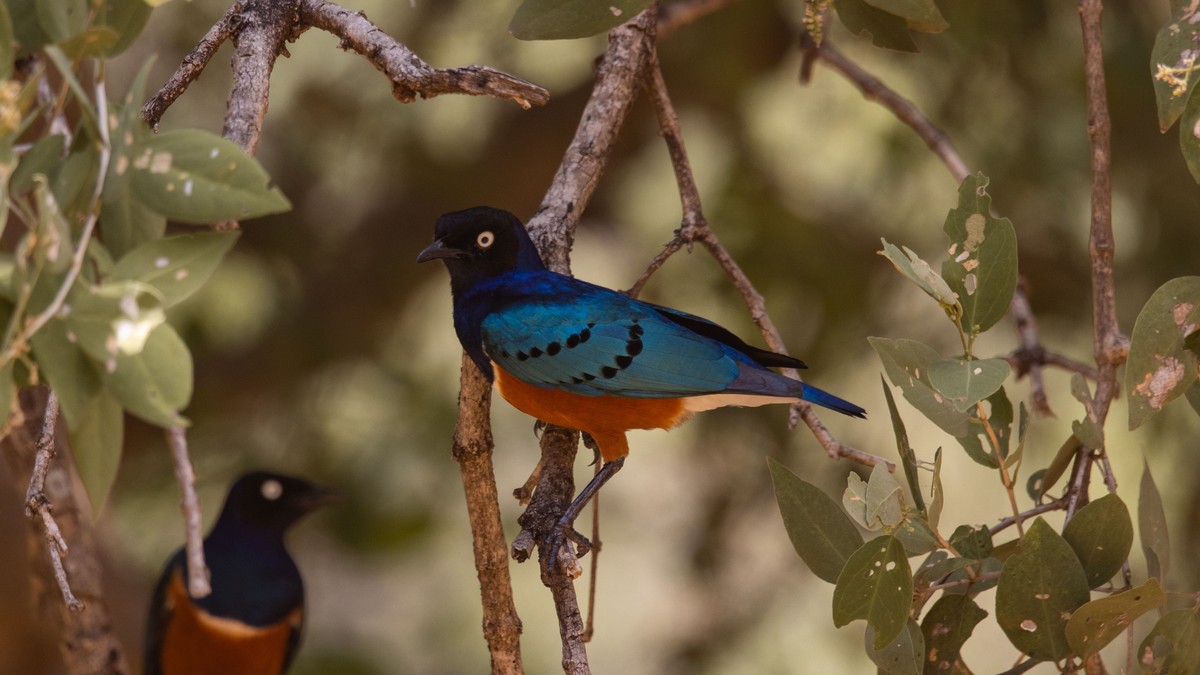
Arabuko Sokoke holds around 270 recorded bird species, a huge number for a forest this size. Six are considered globally threatened.
The headline species is Clarke’s Weaver, a small yellow-and-black bird found nowhere else on earth. It breeds only in this forest and forages in the Sokoke plains and nearby wetlands, appearing in noisy flocks between roughly May and August. The Sokoke Pipit and Amani Sunbird are two more forest specials, near-endemic to a handful of East African coastal forest fragments shared with Tanzania, and both draw dedicated birders from Europe and North America.
Then there is the Sokoke Scops Owl, the smallest owl in Africa and the bird most people actually come for.
Beyond the endemics, migratory flycatchers, warblers and cuckoos pass through the forest between October and April, layering Palearctic migrants over the resident specials. A single well-guided morning can turn up 60 species without much effort.
Setting Expectations on the Sokoke Scops Owl
Here is the honest part most tour pages skip. You will almost certainly hear the Sokoke Scops Owl before you see it, if you see it at all. Its call is a soft, repeated trill, easy for a trained guide to locate but maddening for a first-timer to pinpoint in the dark.
Sightings happen most reliably at dusk and just after, when guides who know specific roost trees can walk you within a few meters. Even then, plan for a 50-50 chance on any single evening. Two nights, working with the same guide in the same patch of forest, push your odds much higher. If a tour promises a guaranteed sighting, treat that as marketing rather than fact.
Best Time to Visit and Best Time of Day
For general birding, the dry months of January and February and again in June to September offer the easiest walking and the clearest calls, since heavy rain muffles sound and turns forest tracks to mud. The short rains fall in October and November, and the long rains run roughly April through May.
Time of day matters more than time of year. Birding peaks between 6:30 and 9:30 a.m., when activity is highest and light is workable for photography. A second window opens from about 4:30 p.m. until dusk, which is also your best shot at the Scops Owl and other nocturnal species as they start calling.
A Guided Morning in the Forest
A typical guided walk starts at the Nature Trail entrance near Gede or at the Kararacha waterhole, a reliable spot for waterbirds and the odd elephant shrew crossing the path. Guides move slowly, stopping every few minutes to listen before they look, which suits a photographer’s pace better than a game drive ever could.
Bring a flash with a diffuser for low-light understory shots, and expect to work at ISO 1600 or higher for much of the morning. Trails are narrow and sometimes muddy, so closed shoes matter more than fashion.
Beyond the Birds
The forest’s mammal list reads like a rarity checklist. The Golden-rumped Elephant Shrew, a rusty-backed, cat-sized insect hunter, is found only in a handful of East African forest fragments, and Arabuko Sokoke holds one of the healthiest populations left. Ader’s Duiker, a small antelope classed as endangered, browses the thickets at dawn and dusk and is genuinely difficult to photograph well. Sykes’ monkeys and the occasional shy bushbuck round out a quieter, slower kind of wildlife encounter than most safari itineraries offer.
Getting There from the Coast
Most visitors base themselves in Watamu or Malindi and treat the forest as a half-day or full-day excursion, sometimes combined with the nearby Gede Ruins.
| Starting Point | Distance | Drive Time | Typical Approach |
|---|---|---|---|
| Watamu | 20 km | 30-40 minutes | Private vehicle or arranged transfer to Gede gate |
| Malindi | 30 km | 45-60 minutes | Tarmac road via the Malindi-Mombasa highway |
| Mombasa | 110 km | 2-2.5 hours | Coastal highway, often combined with a Watamu overnight |
| Nairobi | 590 km | 9-10 hours by road, or 1-hour flight to Malindi | Most visitors fly, then transfer by road |
If you are coming from Nairobi, flying into Malindi cuts a full day of driving. Travelers extending a longer Kenya itinerary sometimes prefer traveling down to the Kenyan coast by rail before continuing on to the forest by road.
Where to Stay
You do not need to camp inside the reserve to birdwatch well here, though camping is permitted at designated sites with prior arrangement through the Kenya Forest Service. Most photographers prefer a coastal base with an early departure.
Watamu offers the widest range, from mid-range guesthouses around USD 60-100 a night to established beach lodges near USD 150-300. Malindi has similar options at slightly lower prices. A Rocha Kenya’s field studies house in Watamu also hosts researchers and birders and can point you toward current guide availability.
Arabuko Sokoke Forest Birdwatching Safari Costs: Entry Fees, Guides, and Camping
Non-resident entry to the reserve runs in the range of USD 15-25 per person per day, payable at the gate, though rates are set by the Kenya Forest Service and worth confirming before you travel. Kenyan citizens and residents pay a much lower KES rate.
Specialist bird guides, many registered with the Arabuko Sokoke Forest Guides Association, charge roughly USD 30-90 for a half or full day, depending on group size and whether you want a dedicated owl-finding evening session added on. It is worth having cash or MPESA ready for entry fees and guide payments, since card facilities at the gate are unreliable. Before you commit, it helps to review questions to ask before booking a specialist birding guide, particularly around group size and target species.
| Item | Indicative Cost |
|---|---|
| Non-resident entry fee | USD 15-25 per person/day |
| Resident/citizen entry fee | KES 200-600 per person/day |
| ASFGA bird guide, half day | USD 30-50 |
| ASFGA bird guide, full day with evening owl session | USD 60-90 |
| Basic camping fee (own tent) | USD 10-15 per person/night |
Conservation Status
Arabuko Sokoke is classified as an Important Bird Area and a UNESCO Biosphere Reserve. It faces real pressure from illegal logging and encroaching farmland at its edges, which makes every guided visit more than a photo trip. Guide fees and entry payments fund patrols and habitat monitoring that keep species like Clarke’s Weaver from losing their only home.
The Valley Safaris Difference
We do not treat Arabuko Sokoke as a side trip bolted onto a beach holiday. We build birding mornings around your actual goals, whether that is a clean shot of the Sokoke Scops Owl at dusk or simply ticking Clarke’s Weaver off a life list. We work directly with ASFGA guides we have birded with ourselves, match vehicle and timing to light rather than convenience, and tell you plainly when a sighting is unlikely rather than overselling it. That honesty, more than any single itinerary, is what keeps our coast trips coming back to this forest.
Frequently Asked Questions
How do you actually see the Sokoke Scops Owl? Book a dusk session with an ASFGA guide who knows current roost sites, and plan for two evenings rather than one.
Do you need a guide? Yes. Trails are unmarked in places, and guides locate calling birds far faster than an unaided visitor.
Can you day-trip from Watamu? Yes, easily, though an overnight nearby gives you both the dawn chorus and the dusk owl window.
Is camping allowed? Yes, at designated sites, arranged in advance through the Kenya Forest Service.
Ready to build a coast itinerary around this forest and its owls? Explore our Kenya coast birding safaris or get in touch and we will plan the timing around you.